

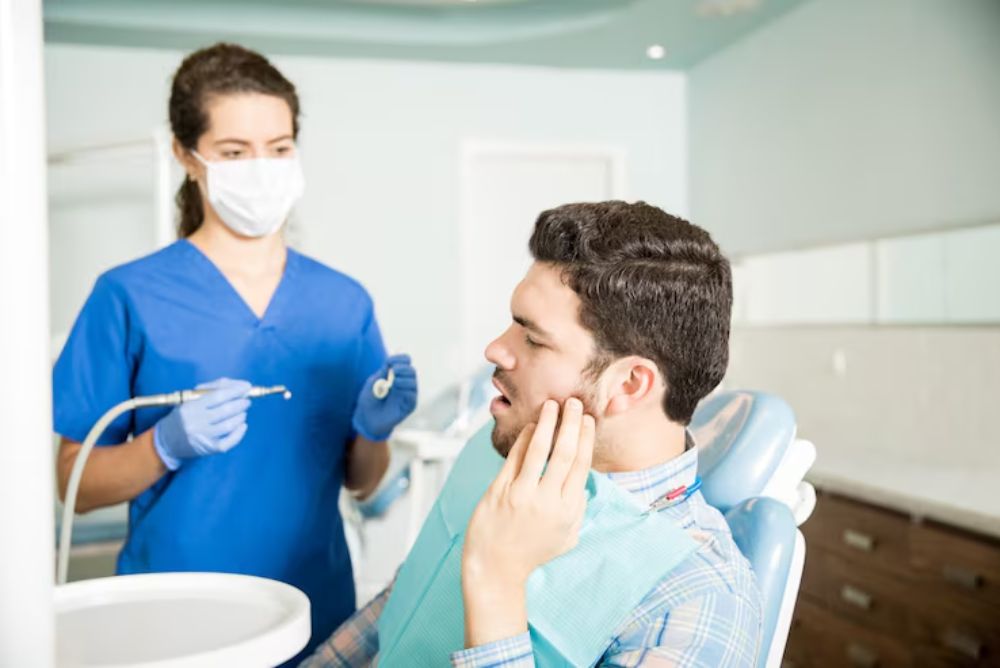
A dental emergency does not wait for a convenient moment. It can happen during a family dinner, at a child’s sports game, or in the middle of a busy workday. One moment everything is fine; the next, there is intense pain, a broken tooth, or significant swelling that clearly cannot wait.
Knowing what to do in those first critical minutes and knowing where to find a same-day dentist in SW Calgary that residents can rely on can make a genuine difference to the outcome of your emergency.
What Is a Dental Emergency?
Not every toothache requires same-day care. But some situations are genuinely urgent and should not be left until a routine appointment slot opens up.
You are likely dealing with a dental emergency if you experience the following:
- Severe, persistent tooth pain that over-the-counter pain relief is not controlling
- A knocked-out permanent tooth
- A cracked tooth emergency in Calgary, particularly with sharp pain when biting
- Significant swelling in the jaw, gum, or face
- A dental abscess, often presenting as a painful raised bump on the gum
- Heavy bleeding that does not stop after applying gentle pressure
- A lost crown or filling causing extreme sensitivity or pain
- Facial swelling that is spreading toward the neck or affecting swallowing
That last point is critical. Swelling that spreads to the neck or makes breathing difficult is a medical emergency ,go directly to a hospital emergency room.
Emergency Dentistry in SW Calgary: What Happens When You Call
When you call a dental clinic for emergency care, here is what you can generally expect:
A good emergency dental clinic will:
- Triage your situation over the phone to assess urgency
- Offer a same-day appointment whenever possible
- Provide basic guidance on managing pain or protecting the tooth until you arrive
- Have a dentist available who can diagnose and treat the issue promptly
A dentist in SW Calgary who takes emergencies seriously understands that fast access to care is not just about comfort; it is about preserving teeth, stopping infections, and preventing complications that become far more serious with time.
What to Do Before You Reach the Clinic
While you are waiting for your emergency appointment, here is what to do for the most common situations:
| Emergency | What to Do Right Now |
| Knocked-out tooth | Hold by the crown only, store in cold milk, and get there within 30 to 60 minutes |
| Severe toothache | Warm salt water rinse, cold compress on cheek, and take pain relief as directed |
| Cracked or broken tooth | Rinse gently, apply a cold compress, and avoid eating on that side |
| Dental abscess | Saltwater rinse; do not try to drain it. Seek care immediately |
| Lost crown or filling | Apply pharmacy dental cement temporarily; avoid hot and cold foods |
| Bleeding gums or mouth | Apply gentle pressure with clean gauze for 15 to 20 minutes |
These steps manage discomfort and protect the tooth while you get to professional care. They are not a substitute for treatment; they are a bridge to it.
Why Timing Matters So Much in Dental Emergencies
In many dental emergencies, the outcome is directly tied to how quickly you act.
A knocked-out permanent tooth has the best chance of being saved if reimplanted within 30 to 60 minutes. A dental abscess left untreated can spread infection to the jaw, neck, and, in serious cases, beyond. A cracked tooth that is not treated promptly can worsen with every bite, turning a manageable repair into a much more complex situation.
Finding a dentist near you who offers genuine emergency access ,not just a voicemail and a callback in two days, is one of the most important things to arrange before a crisis happens.
Being Prepared Before an Emergency Strikes
The best time to find an emergency dentist is before you need one. Here is a simple preparation plan every family should consider:
- Save your dental clinic’s emergency contact number in your phone
- Know the clinic’s after-hours policy. Do they have an emergency line?
- Keep a basic dental emergency kit at home: gauze, dental cement, a small container for storing a tooth
- Know the location of your nearest emergency dental clinic
- Brief your children on what to do if a tooth gets knocked out during sports
A little preparation reduces the panic from an already stressful situation.
When Every Minute Counts, You Need a Team You Trust
Dental emergencies are frightening, but they are manageable when you have the right support. Fast access to professional care, clear guidance on what to do in the moment, and a dental team that genuinely prioritizes your well-being make all the difference.
At Trinity Hills Dental, their compassionate and experienced team is ready to help when dental crises strike. They understand the urgency, respond quickly, and provide expert care when it matters most—offering reliable Emergency Dentistry in SW Calgary for patients who need immediate attention. If you are dealing with a dental emergency right now, call us immediately; your smile cannot wait.
Frequently Asked Questions
Q1. Should I go to a hospital emergency room for a dental emergency?
For most dental emergencies, including severe pain, knocked-out teeth, and abscesses , a dental clinic is the more appropriate place to go. A hospital emergency room is necessary only when swelling is affecting breathing or swallowing or when significant trauma to the head or jaw has occurred.
Q2. What if my dental emergency happens outside of regular clinic hours?
Many dental clinics have after-hours emergency lines or on-call arrangements. Always check your clinic’s emergency policy in advance so you know what to do when regular hours are not available.
Q3. Can a cracked tooth be saved?
In many cases, yes, depending on the severity and location of the crack. Prompt treatment gives the tooth the best chance. Untreated cracks can worsen over time, making repair more complex or eventually requiring extraction.
Q4. How do I know if a toothache is a genuine emergency or can wait?
If the pain is severe, constant, and not responding to pain relief, or if it is accompanied by swelling, fever, or a visible abscess, it is an emergency. Mild intermittent discomfort can often wait for a regular appointment, but it should still be booked promptly.